Roofing Materials for NJ Homes: How to Choose in 2026
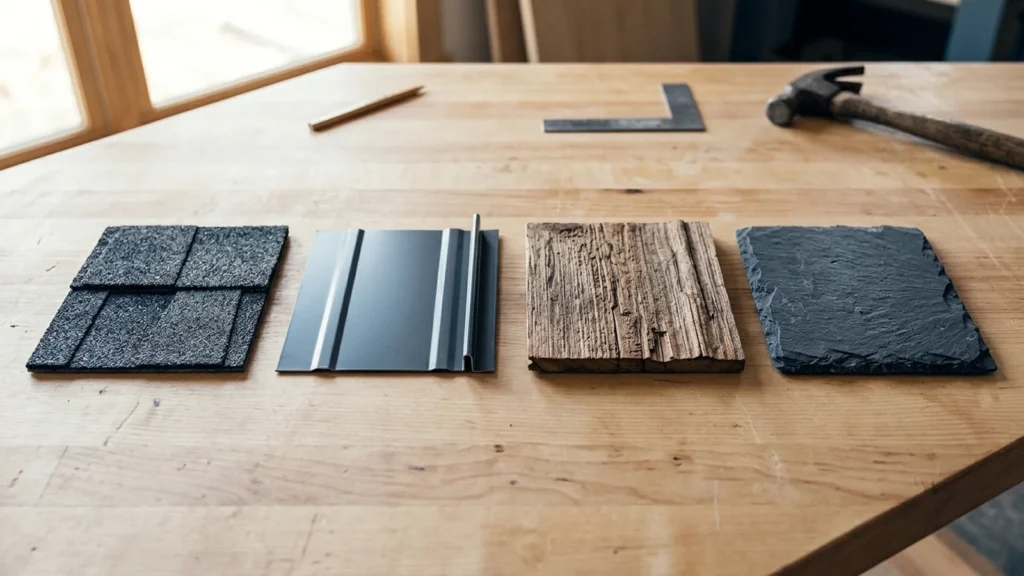
The best roofing materials for NJ homes balance four things: cost, lifespan, and how they handle New Jersey weather, meaning coastal wind, salt air, humid summers that grow algae, and freeze-thaw winters. Architectural asphalt shingle fits the large majority of homes on all four counts. Standing-seam metal, cedar shake, natural slate, and synthetic products each win in specific situations. This guide shows you which material fits your home, your roofline, and how long you plan to stay.
Choosing among roofing materials for NJ homes is not about finding the single “best” roof. It is about matching the material to your house, your budget, and your climate exposure. A shore home in Ocean County has different priorities than an inland colonial in Somerset, and a homeowner staying 30 years should weigh lifespan differently than one planning to sell in five.
We install every material below across New Jersey, so this comparison is written from the roof, not from a brochure. Read the climate section first, because in our state the weather should drive the decision more than the showroom sample does.
- How NJ weather should drive your choice
- Asphalt shingle: the default for a reason
- Metal roofing
- Cedar shake
- Slate, natural and synthetic
- Flat and low-slope roofing
- Side-by-side comparison
- Matching material to home style
- Energy, cool roofs, and solar
- Common mistakes to avoid
- How to choose for your home
- NJ code, wind, and warranties
How NJ Weather Should Drive Your Choice of Roofing Materials for NJ Homes
Before you compare looks or price, match the material to what New Jersey throws at a roof. Four forces matter here more than anywhere in the brochure.
- Wind. Nor’easters bring sustained 50 to 70 mph gusts to the coast and inland alike. Any material you choose should carry an enhanced wind rating, and it only performs to that rating with the correct fastening.
- Salt air. Within a few miles of the shore, salt corrodes fasteners and finishes. Coastal homes need rust-resistant nails, sealed flashing, and finishes rated for marine exposure.
- Humidity and algae. Humid NJ summers grow the black streaking (Gloeocapsa magma) you see on shaded roofs. Algae-resistant shingles with copper granules resist it; other materials shrug it off entirely.
- Freeze-thaw and snow. Winter cycles drive ice dams at the eaves, which is why NJ code calls for ice-and-water shield there. Steeper metal sheds snow fast; textured materials hold it longer.
Keep those four in mind as you read. The right pick among roofing materials for NJ homes is the one that handles your specific exposure, a shore lot, a tree-shaded yard, or a steep north slope, not just the one that looks good in the parking lot.
Asphalt Shingle: The Default for a Reason
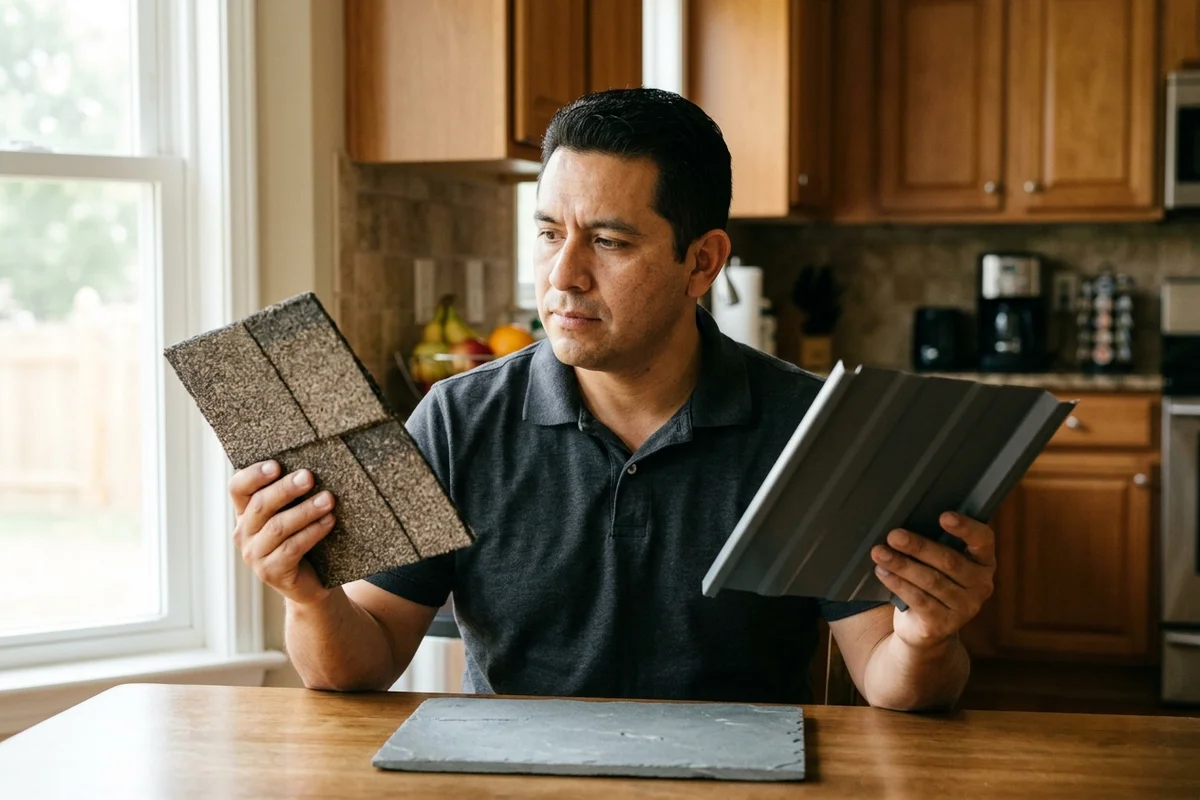
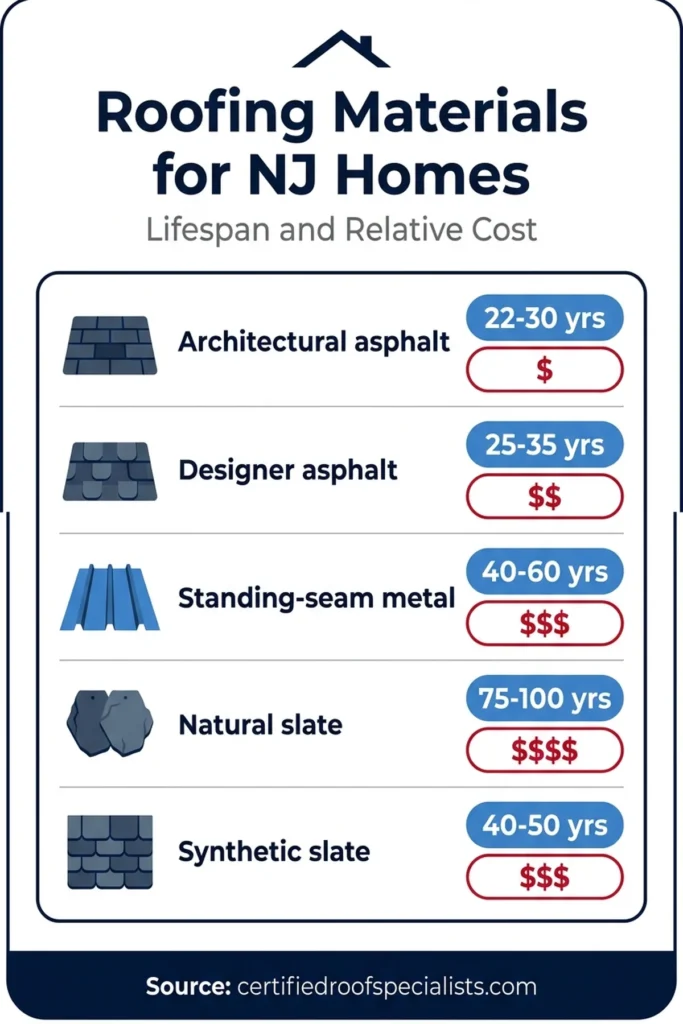
Asphalt covers the large majority of New Jersey roofs, and for good reason. It is the most affordable material, it comes in every color, and modern architectural shingles carry wind ratings and algae resistance built for our climate. There are three tiers:
- 3-tab: the old flat, single-layer shingle. Cheapest, lightest, shortest-lived (15 to 20 years), and lowest wind rating. Most NJ homeowners have moved past it.
- Architectural (dimensional): the standard today. A two-layer laminated shingle with a dimensional look, 22 to 30 year life in NJ, and enhanced lines rated up to 130 mph with correct nailing. This is the value sweet spot.
- Designer / luxury: heavier, thicker shingles that mimic slate or shake at a fraction of their cost and weight, 25 to 35 year life. Worth it when you want the look without the structural demands.
For a deeper look at brands and lines, see our guide to the best roofing shingles in NJ. For most homeowners weighing roofing materials for NJ homes, quality architectural asphalt is the answer, and the money saved over metal or slate can go toward better underlayment, ventilation, and flashing, which decide how long any roof lasts.
Metal Roofing
Metal is the fastest-growing choice among premium roofing materials for NJ homes. It lasts 40 to 60 years, sheds snow and rain fast, resists fire, and needs little maintenance. Two forms dominate:
- Standing-seam: vertical panels with concealed fasteners and raised seams. The premium option, clean-looking, excellent in wind and snow, and the best coastal performer with a marine-grade finish.
- Metal shingle / stamped panel: metal formed to look like shingle, shake, or tile, usually less expensive than standing-seam and easier to fit complex rooflines.
The tradeoff is cost: metal runs roughly two to three times asphalt upfront. It can also be noisier in rain without proper underlayment, and dents are possible from large hail. On a coastal NJ home you plan to keep, though, standing-seam metal is hard to beat for lifespan and storm resistance.
Cedar Shake
Cedar gives a natural, high-end look that suits Colonial, Cape, and shore-shingle-style homes. It lasts 25 to 35 years with maintenance and offers real insulating value. The catch in New Jersey is our humidity: cedar needs upkeep to fight moss, rot, and mold, and it carries a lower fire rating unless treated. It is a material for owners who want the look and will maintain it, not a set-and-forget roof.
Slate, Natural and Synthetic
Natural slate is the longest-lived roof you can buy, 75 to 100 years, and it looks the part on historic and high-end NJ homes. It is also the heaviest and most expensive material, and its weight often requires a structural evaluation to confirm the framing can carry it. Repairs need a slate specialist.
Synthetic slate solves the weight and cost problem. These composite tiles mimic slate at a fraction of the weight and price, install like premium shingle, and carry strong warranties. For a homeowner who wants the slate look without the structural project, synthetic is often the smarter of the two among high-end roofing materials for NJ homes.
Flat and Low-Slope Roofing
Plenty of NJ homes have a flat section, a porch, dormer, or addition, that shingles cannot cover. Low-slope areas need a membrane, not shingle:
- EPDM: a durable rubber membrane, cost-effective and long-proven for residential low-slope.
- TPO: a white, heat-welded membrane that reflects sun and reduces cooling load, popular on newer additions.
If your home mixes a steep main roof with a flat section, the right answer is usually two materials: architectural shingle on the slopes and a welded membrane on the low-slope, detailed carefully where they meet. That transition is a common leak point, so it belongs to whoever handles the whole roof.
Roofing Materials for NJ Homes: Side by Side
| Material | Lifespan (NJ) | Relative cost | Best for |
|---|---|---|---|
| Architectural asphalt | 22 to 30 yrs | $ | Most homes; best value |
| Designer asphalt | 25 to 35 yrs | $$ | Slate/shake look, lighter budget |
| Standing-seam metal | 40 to 60 yrs | $$$ | Long-term owners, coastal, snow |
| Cedar shake | 25 to 35 yrs | $$$ | Natural look, willing to maintain |
| Natural slate | 75 to 100 yrs | $$$$ | Historic/high-end, will stay for decades |
| Synthetic slate | 40 to 50 yrs | $$$ | Slate look without the weight |
Cost here is relative, not a quote. For real dollar ranges by material, see our NJ roof replacement cost guide, which breaks down installed price per square for each of these roofing materials for NJ homes.
Matching the Material to Your Home’s Style
Curb appeal is not vanity. The wrong roof can date a house or fight its architecture, and buyers notice. Here is how the common roofing materials for NJ homes pair with the styles you see across the state.
- Colonial and center-hall: architectural or designer asphalt in a weathered-wood or slate tone reads classic and clean. Synthetic slate suits the higher-end versions.
- Cape Cod and shore cottage: architectural asphalt or cedar-look shingle fits the scale; on the coast, standing-seam metal is both period-appropriate and storm-tough.
- Victorian and historic: natural or synthetic slate matches the era; many towns’ historic districts also have appearance rules worth checking first.
- Ranch and split-level: the long, low rooflines flatter architectural asphalt and metal shingle alike; keep the color simple.
- Modern and contemporary: standing-seam metal’s crisp vertical lines were made for these homes.
Not Sure Which Roof Is Right for Your Home?
A CRS roofer looks at your home, your budget, and your roofline, then gives you an honest recommendation in writing. Start with a free inspection.
How to Choose the Right Roof for Your Home
Narrow the roofing materials for NJ homes by starting with your top priority, then let the others fall in line.
- If budget leads: quality architectural asphalt. It protects your home as well as pricier options and leaves money for the details that extend any roof’s life.
- If you are staying 25-plus years: standing-seam metal or synthetic slate. The higher upfront cost spreads over decades, and you may never re-roof again.
- If you live on the shore: standing-seam metal with a marine finish, or architectural asphalt with six-nail fastening and sealed, rust-resistant flashing.
- If the look matters most: designer asphalt or synthetic slate gives you the high-end appearance without slate’s weight or cedar’s upkeep.
- If you may sell within 10 years: architectural asphalt. Buyers rarely pay a premium for a metal or slate roof, so the extra spend is hard to recover.
Whichever way you lean, the installer matters as much as the material. The right roof for how long you plan to stay ties directly to how long a roof lasts in NJ, and if your current roof is only part-failed, our guide to roof repair vs replacement may save you the whole decision for now.
Energy, Cool Roofs, and Going Solar
Your roof affects your energy bill and your solar plans, which is worth weighing while you compare roofing materials for NJ homes. Lighter shingle colors and reflective “cool roof” products bounce summer heat and ease the load on your attic and air conditioning. Metal reflects heat well and pairs naturally with attic ventilation to keep upper floors cooler in July.
If solar is on your horizon, plan the roof around it. Put the new roof on first so its life matches the panels, and tell your roofer, because a standing-seam metal roof accepts clamp-on panels with no penetrations, while shingle roofs use flashed mounts. Getting the sequence right saves you from paying to remove and reset panels years early.
Common Mistakes Choosing Roofing Materials for NJ Homes
- Buying material, skimping on the system. A premium shingle over thin underlayment, reused flashing, and poor ventilation fails early. Spend on the whole system, not just the top layer.
- Over-buying for a short stay. A metal or slate roof you leave behind in eight years rarely returns its premium at sale. Match the material to your timeline.
- Ignoring coastal detailing. The right material with the wrong fasteners still rusts and lifts near the shore. Detailing decides shore performance.
- Forgetting the flat sections. Shingling a low-slope porch or dormer guarantees leaks; those areas need a membrane.
NJ Code, Wind Ratings, and Warranties
No material performs to its rating without correct installation. A 130 mph shingle installed with too few nails behaves like a standard one, which is why nailing pattern and fastener placement are the quiet difference between a roof that survives a nor’easter and one that peels. Along the coast, six-nail fastening is the standard, not an upgrade.
Two details protect any of these roofing materials for NJ homes: ventilation and ice-and-water shield. Proper ridge and soffit venting keeps the attic from cooking shingles from below and voiding the warranty; ice-and-water shield at the eaves and valleys, required by NJ code, stops the ice-dam leaks our winters cause.
On warranties, the manufacturer’s enhanced coverage (the long material-plus-labor programs) requires an installer credentialed by that manufacturer. Do not ask a contractor to confirm a credential they may not hold. Instead, ask what enhanced warranty they can register for your roof, and verify it directly with the manufacturer, such as GAF or CertainTeed. And confirm any NJ roofer’s license through the Division of Consumer Affairs before you sign.
NJ roof replacement cost · Best shingles for NJ · How long a roof lasts · Roof replacement service · Toms River roofing
Last updated July 27, 2026. Written by the Certified Roofing Specialists Inc. team, licensed New Jersey roofing contractors serving Monmouth, Ocean, Middlesex, Somerset, and Union Counties. Lifespan and cost figures are planning ranges; your free inspection gives you a recommendation matched to your home.
Common questions
Frequently Asked Questions
What is the best roofing material for NJ homes?
For most New Jersey homes, architectural asphalt shingle is the best balance of cost, lifespan, and storm performance. Metal lasts longer and sheds snow well at a higher price, while slate and cedar suit specific architecture and budgets. The best choice depends on your home, roofline, and how long you plan to stay.
What roofing material lasts longest in New Jersey?
Natural slate lasts longest, often 75 to 100 years, followed by standing-seam metal at 40 to 60 years. Both cost far more upfront and can require a structural check for weight. Architectural asphalt lasts 22 to 30 years in NJ and gives most homeowners the best return for the money.
Is a metal roof worth it in NJ?
A metal roof is worth it if you plan to stay long term and want 40-plus years of life, excellent snow shedding, and low maintenance. It costs roughly two to three times an asphalt roof upfront. For a home you may sell within 15 years, quality asphalt is usually the smarter spend.
What roofing material handles the NJ shore best?
Along the coast, salt air and wind matter most. Standing-seam metal with a marine-grade finish and quality architectural asphalt with six-nail fastening both perform well. The detailing, correct nailing, sealed flashing, and rust-resistant fasteners, matters as much as the material itself on a shore home.
-

Emergency Roofing in NJ: Storm Damage Response
Emergency roofing NJ: what to do after storm damage, how fast to get a tarp on, what it…
-
Community Association Roofing in NJ: A Property Manager’s Guide
Community association roofing NJ: a property manager guide to multi-building bids, board-ready scopes, reserve-study documentation, and scheduling.
-
Insurance Claim for an Old Roof in NJ: What to Know
Insurance claim for an old roof in NJ: how age cuts your payout, ACV vs RCV explained, what…