Roofing service
Community Association Roofing in New Jersey
Roofing for HOAs, townhome associations, and condo communities, built around your reserve study, your budget, and your residents.
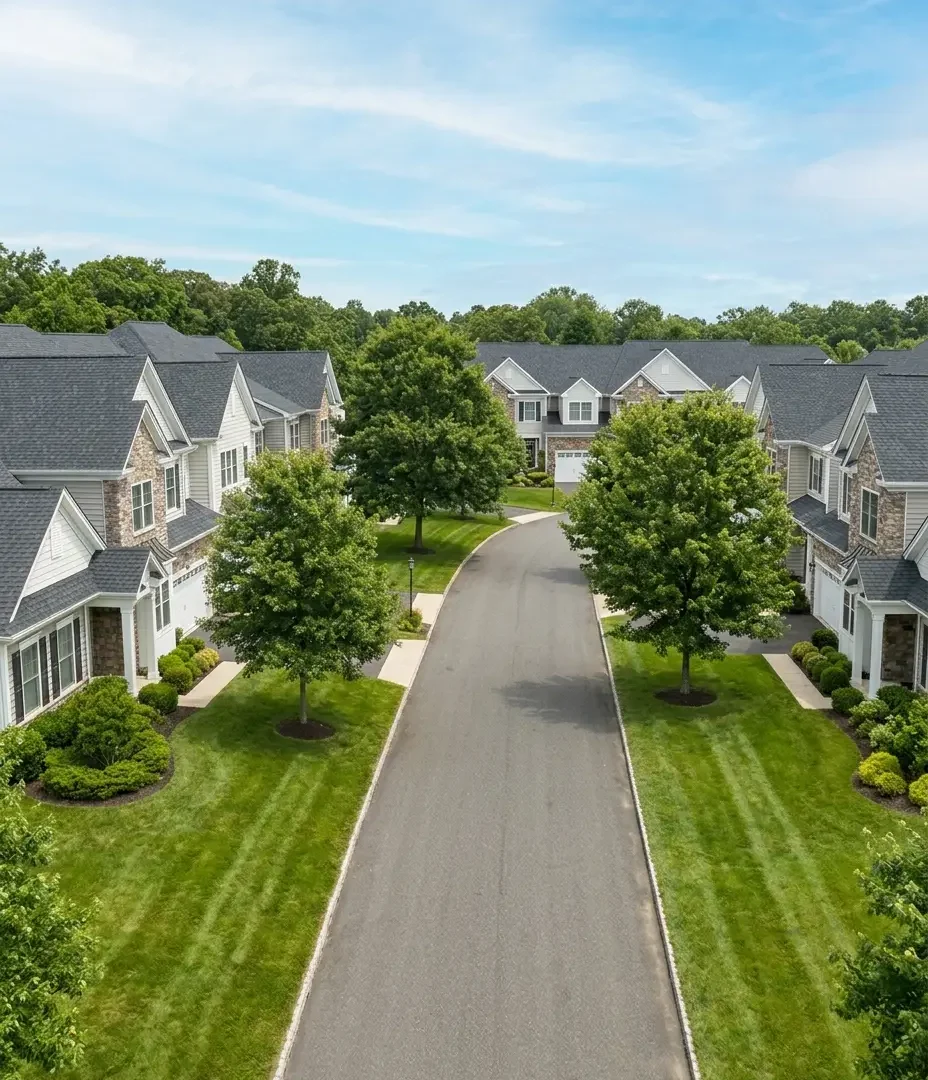
Community association roofing in NJ means phased, documented roof work across many buildings, written for a board to read, vote on, and budget. Certified Roofing Specialists Inc. delivers board-ready scopes that match reserve-study categories, handles flat and pitched systems together, and runs resident communication through one foreman. A community association assessment is a paid service, not a free residential inspection.
A board roof project is a different job from a single-family replacement. The roofing is rarely the hard part. The hard part is a scope the board can actually approve, a price that maps to the reserve study, a schedule that respects residents, and one person accountable from kickoff to closeout. That is what this page is about, and it is what CRS is built to deliver for HOAs, condos, and property managers across New Jersey.
What CRS Provides Community Associations
CRS handles the full lifecycle of a multi-building roof project: a documented site assessment with a roofing inventory by section or unit, a scope written in board-readable language, a vote-ready proposal with insurance and license documentation, a phased install coordinated with residents, and a closeout packet for the association records. Where most residential contractors quote a community like a stack of identical houses, CRS quotes it like the reserve-study line item it actually is.
One distinction up front: free inspections apply to residential homeowners only. A community association engagement begins with a paid per-building assessment, because the documentation a board needs to budget and vote is a real piece of work, not a sales call.
When Your Association Needs a Roofing Partner
If any of these describe your community, it is time to bring in a roofing partner who works at the board level, not a residential crew stretched across many buildings.
1.Your reserve study shows the roofs at end of life within 24 months. Phased replacements need lead time for materials, per-unit scheduling, and access. CRS works backward from your budget window so the project lands inside the reserve cycle.
2.You need documentation the board can actually vote on. Boards approve roof projects by vote. CRS writes a scope in reserve-study categories so the board can read it and approve in one meeting.
3.Your current contractor is not communicating with residents. Multi-unit jobs fail at communication more than at installation. CRS runs per-unit notices, a daily resident log, and one escalation number for the manager.
4.You have a mix of flat and pitched roof sections. Garages and entryways are often low-slope while the units above are pitched. CRS scopes both systems together, which most residential-only contractors will not do.
Ready to start? Request a community association assessment and a CRS estimator will walk the property and build a board-ready scope. Request your assessment or call (201) 841-3858.
Why Homeowners Pick CRS
-
Local New Jersey Company
Based in Basking Ridge and built on real New Jersey roofing experience, not an out-of-state storm crew that disappears after the job. We answer the phone and we are here for the warranty.
-
Licensed and Fully Insured
Fully licensed and insured for safe, professional roofing work. You can verify our New Jersey home improvement contractor license through the Division of Consumer Affairs before you sign anything.
-
Free Written Inspection
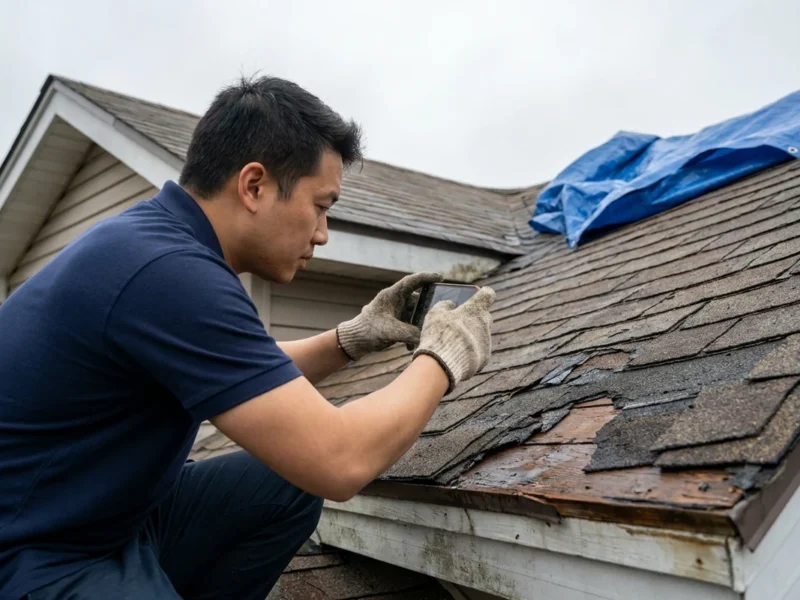
A licensed roofer walks every slope, checks every flashing detail, and inspects the attic where access allows. You get a written report with photos, a clear explanation of the problem areas, and our honest recommendation.
-
Honest Recommendation
If a repair will hold, we say repair. If your roof has five good years left, we say so in the inspection notes and walk away from the bigger job. We would rather earn your trust now and your replacement when you actually need it.
-
Trusted Crews, Written Standard
We use crews with years of experience in NJ roofing, and every crew is held to the same written standard on every job. The person on your roof knows what a proper flashing detail and nailing pattern look like.
-
Clean Job Sites
We protect landscaping before we start and sweep every nail with a magnet at the end of each day. When we load out, your yard is in better shape than when we showed up, and your gutters are left clean.
Flat and Pitched Sections, One Scope
NJ condo and townhome communities rarely have one roof type. Pitched asphalt sits over the living units, while garages, breezeways, and entry canopies are low-slope. Those flat sections need a membrane system, not shingles. For NJ conditions, heat-welded TPO seams outperform cold-adhesive in our freeze-thaw winters, and modified bitumen handles light ponding and torch-applied spot repairs well. CRS specifies the right system per section and documents each in the scope, so the board is not surprised later by a “that part was not included” conversation. Flat sections are where deferred maintenance hides in most NJ associations: ponding, open seams, and parapet flashing.
Reserve Study and Documentation
A board’s job is fiduciary, and the documentation has to support that. CRS writes scopes that line up with the categories in your reserve study, so the cost breakdown drops straight into the fund planning instead of forcing the board to translate residential pricing. The vote-ready package includes references, certificates of insurance, and license documentation that any board can verify. The Community Associations Institute publishes reserve-study standards worth keeping alongside the proposal. At closeout, the association receives per-unit warranty registration and a final photo and material packet for its permanent records.
Phasing, Billing, and Closeout
Large communities are done in phases, and the billing follows the work, not the calendar. A typical association structure is a deposit at signing, a milestone payment when roughly half the buildings are complete, and a balance at completion less a retention released after final lien waivers and warranty delivery. Multi-family and structural work requires permits, which CRS pulls and closes out. The NJ Division of Codes and Standards is the authority on what applies to your buildings. One foreman runs the whole project so the manager always has a single accountable contact.
NJ Storm and Flood Context for Associations
North Jersey’s 2025 to 2026 winter was the snowiest since 2013 to 2014, and heavy snow and ice load is surfacing now as lifted flashing and open flat-roof seams across multi-building communities. River-corridor associations in Somerset and Union counties also carry flood exposure from events like Tropical Storm Ida in 2021, where roof and flood coverage are separate matters. Documented annual assessment is how boards stay ahead of both. After closeout, optional Community Association Protection Plans provide that ongoing documented care, with per-building inspections and reserve-friendly reporting.
Where CRS Serves Associations in New Jersey
Certified Roofing Specialists Inc. is based in Basking Ridge and serves HOAs, condos, and property managers across Monmouth, Ocean, Middlesex, Somerset, and Union counties. We work with active-adult communities, townhome associations, and mixed-use condo properties. Find your community’s town on our areas served directory, and read our deeper guide to community association roofing in NJ.
Roof replacement · Roof repair · Protection plans · CA roofing guide · Request an assessment
How a CRS Community Association Engagement Works
-
Site Walk
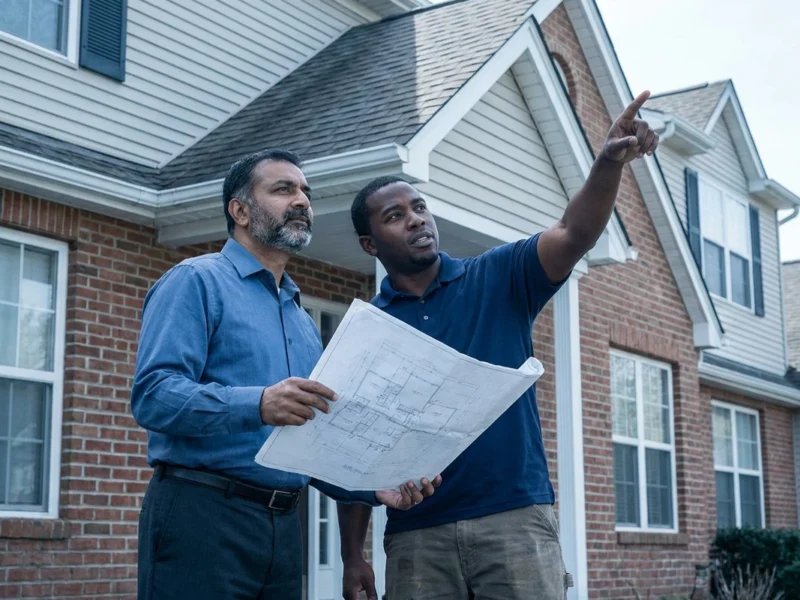
A CRS estimator walks the property with you, identifies the roofing inventory by section or unit, and documents condition with photos. A community association engagement begins with a paid per-building assessment, not a free residential inspection.
-
Board-Ready Scope
We write the scope in language your board can read: material specs, square footage, per-unit pricing, schedule, and warranty terms in one document, with one number and one timeline.
-
Vote-Ready Proposal
We provide the documentation your board needs to vote: scope, references, certificates of insurance, license documentation, and a reserve-study-friendly cost breakdown. The goal is approval in one meeting.
-
Phased Install With Resident Communication
Once approved, we coordinate per-unit access, resident notices, and daily progress updates with the property manager. One CRS foreman runs the project from kickoff to closeout.
-
Final Closeout
Permit closeout, per-unit manufacturer warranty registration, a written workmanship guarantee, and a final photo and material packet for the association records. Optional Community Association Protection Plans cover ongoing documented care.
Every CRS Project, Start to Finish
-
Professional Inspection
A licensed CRS roofer checks every slope, flashing detail, and accessible attic area, shows you photos of what we found, and gives an honest recommendation. There is no obligation to move forward if work is not needed.
-
Clear Scope and Schedule
If you choose to move forward, you get a written scope of work, a project schedule, and the price in writing before any work begins. If we find something that changes the job, we stop and get your written approval before continuing.
-
Installation and Cleanup
Our crew works to manufacturer specifications, protects your landscaping during the job, and runs a magnetic nail sweep across the work area at the end of every work day. You know what is happening at each stage before it happens.
-
Final Walkthrough
Before we leave, a CRS team member walks the property with you, confirms every detail meets our standard, and hands over your project packet and workmanship guarantee. If anything is not right, we make it right before we go.
Common questions
Frequently Asked Questions
Does CRS charge for a community association assessment?
Yes. Free inspections apply to residential properties only. Community association and commercial work begins with a paid per-building assessment, because it involves a full roofing inventory by section or unit, condition documentation, and a board-ready written scope. The assessment fee reflects the documentation depth a board needs to budget and vote.
How does CRS price a multi-building roof project?
CRS writes the scope in the same categories a reserve study uses, with material specs, square footage, per-unit or per-building pricing, schedule, and warranty terms in one document. That gives your board one number, one timeline, and a breakdown it can match to the reserve fund, rather than generic residential pricing applied across many roofs.
Can you handle both flat and pitched roof sections?
Yes. Many NJ condo and townhome properties combine low-slope sections, such as garages and entry rooflines, with pitched asphalt above. CRS scopes both material systems in the same engagement, using modified bitumen or TPO on flat areas and architectural shingles on pitched ones. Most residential-only contractors will not take on the mixed scope.
How do you minimize disruption to residents?
Multi-unit projects fail at communication more often than at installation. CRS sends per-unit access notices, runs a daily resident-facing crew log, and gives the property manager one phone number for any escalation. One CRS foreman runs the project from kickoff to closeout, so residents always know what is happening before it happens.
What documentation does the board get to vote?
A vote-ready package: scope, references, certificates of insurance, license documentation, and a reserve-study-friendly cost breakdown. At closeout you also receive permit closeout, per-unit manufacturer warranty registration, a written workmanship guarantee, and a final photo and material packet for the association records. The goal is approval in one meeting.
Do you work around our reserve schedule and budget window?
Yes. CRS works backward from your board-approved budget window so material delivery, per-unit scheduling, resident access, and dump scheduling all land inside the reserve fund cycle. Phased multi-building replacements take planning, and aligning the project to the reserve study is exactly what keeps it on budget and on calendar.
More from CRS
Other Roofing Services We Offer
Whatever your roof needs, it starts with one free inspection and an honest recommendation.
-

Roof Replacement
A full tear-off and a new water-shedding system, with a locked written price and a finish date. Most NJ single-family homes go from tear-off to final cleanup in one to two days, backed by a workmanship guarantee.
Typical NJ home: $10,000 to $25,000+, in writing after the free inspection.
-
Roof Repair
A leak rarely starts where the water shows up inside. We find the real failure point, write up the fix, and price it before we touch anything. Same-week scheduling on most repairs, priority on active leaks.
Typical NJ repair: $300 to $1,500+ depending on what is failing.
-
Roof Cleaning & Restoration
A bio-based treatment can add five to ten years to a sound asphalt roof at a fraction of replacement cost. Not every roof qualifies, so the free inspection confirms whether yours does before we recommend it.
Typical NJ restoration: $1,500 to $4,000 on most single-family homes.
-
Protection Plans
Annual coverage that protects the roof you paid for: a yearly inspection, a photo report, and priority storm response, with extras like gutter cleaning and member perks depending on the plan.
Annual pricing, quoted in writing after your roof is measured.


Recent CRS Articles
-
Roofing Guides
Emergency Roofing in NJ: Storm Damage Response
Emergency roofing NJ: what to do after storm damage, how fast to get a tarp on, what it…
October 14, 2026 -
Roofing Guides
Community Association Roofing in NJ: A Property Manager’s Guide
Community association roofing NJ: a property manager guide to multi-building bids, board-ready scopes, reserve-study documentation, and scheduling.
October 12, 2026 -
Roofing Guides
Insurance Claim for an Old Roof in NJ: What to Know
Insurance claim for an old roof in NJ: how age cuts your payout, ACV vs RCV explained, what…
October 7, 2026

Get a Board-Ready Roofing Proposal
A CRS estimator walks the property and writes a scope your board can read, vote on, and budget against in one meeting.