What’s Included in a Roof Inspection in NJ?
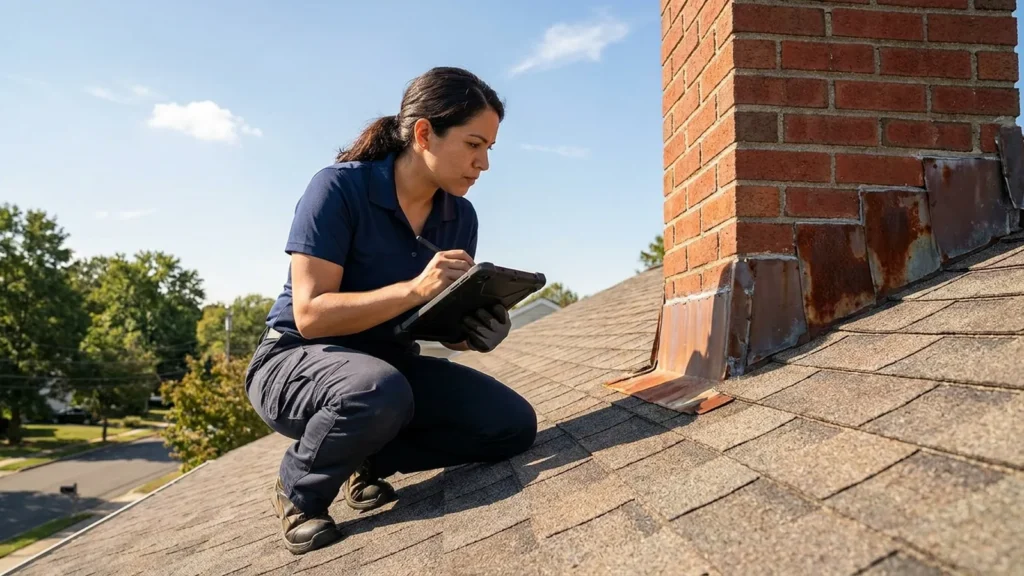
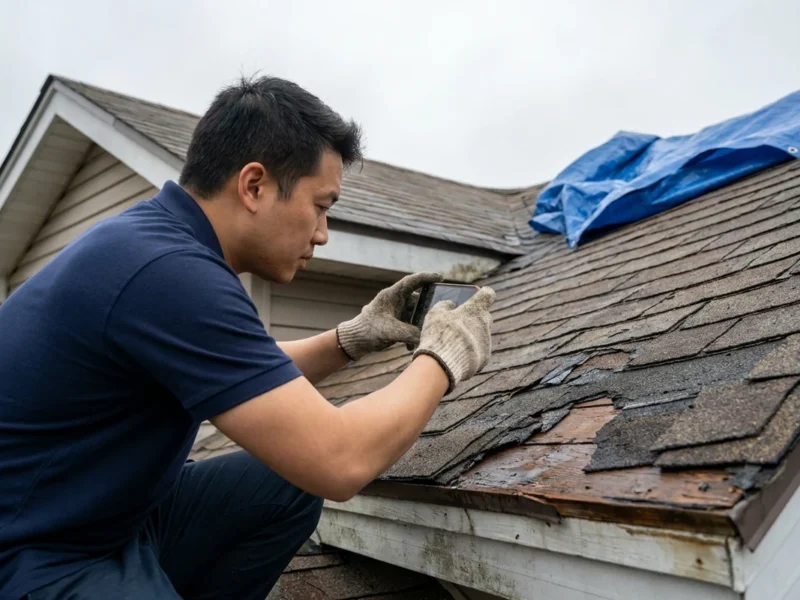
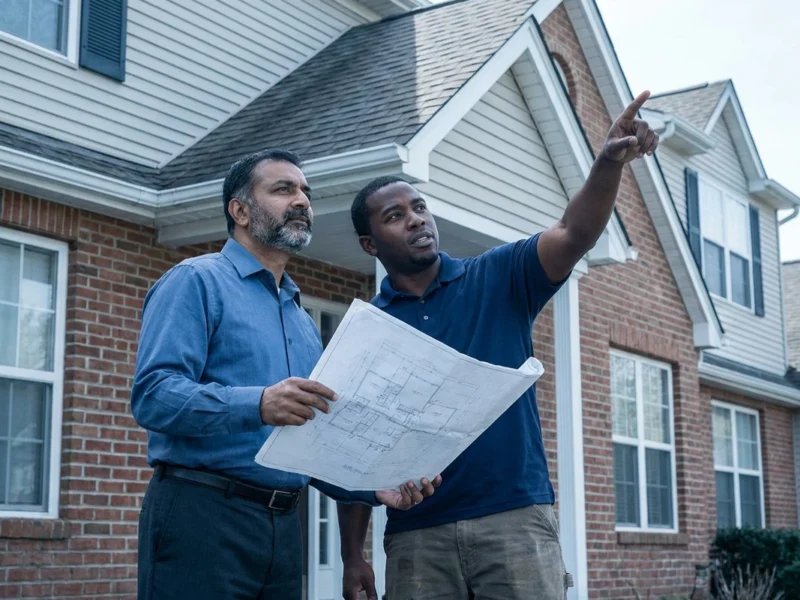
What’s included in a roof inspection in NJ? A thorough inspection covers the shingles, flashing, ridge, gutters, soffits, fascia, ventilation, and attic access, and it should produce a written report with photos. Expect 30 to 60 minutes on-site. Most licensed NJ contractors provide inspections at no charge.
Below is exactly what gets checked, what you should receive afterward, and what a standard inspection does not cover.
What Is Included in a Roof Inspection in NJ
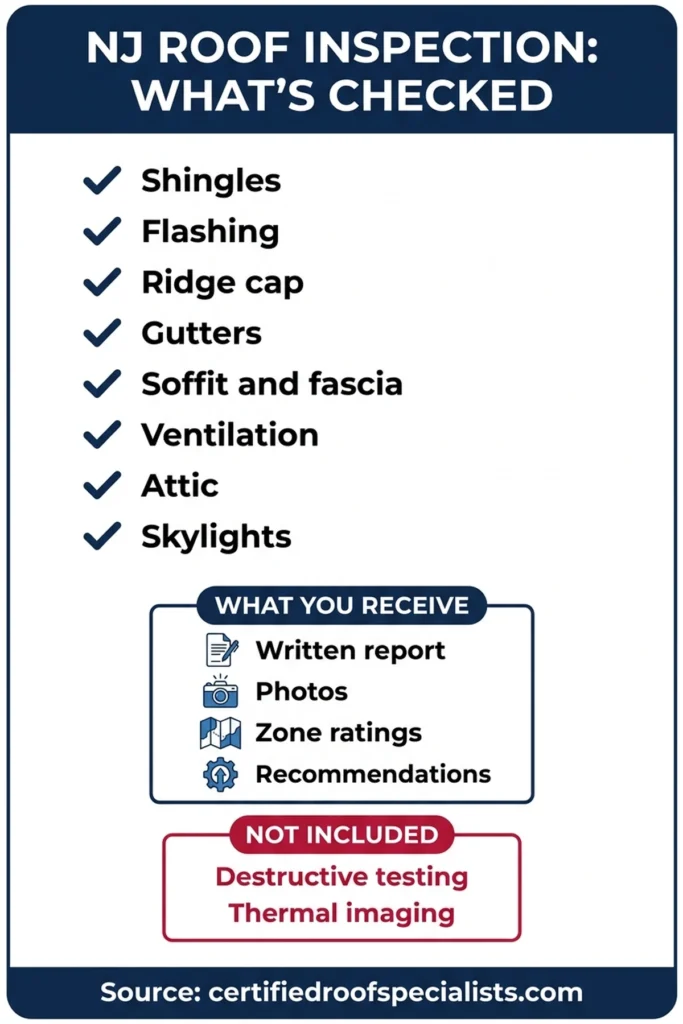
A complete inspection moves through every part of the roof system, not just the shingles. A licensed NJ contractor should examine:
| Component | What the inspector looks for |
|---|---|
| Shingles | Granule loss, curling, cracking or splitting, missing sections, blistering |
| Flashing | Chimney base and counter-flashing, pipe boot seals, step flashing at walls/dormers, valley flashing |
| Ridge cap | Separation, lifting, or gaps along the peak that allow water entry |
| Gutters & downspouts | Blockage, attachment to fascia, slope for drainage, downspout discharge |
| Soffit & fascia | Rot or soft spots, detachment or warping, animal entry points |
| Ventilation | Ridge vent condition, soffit vents (often blocked by insulation), powered ventilators |
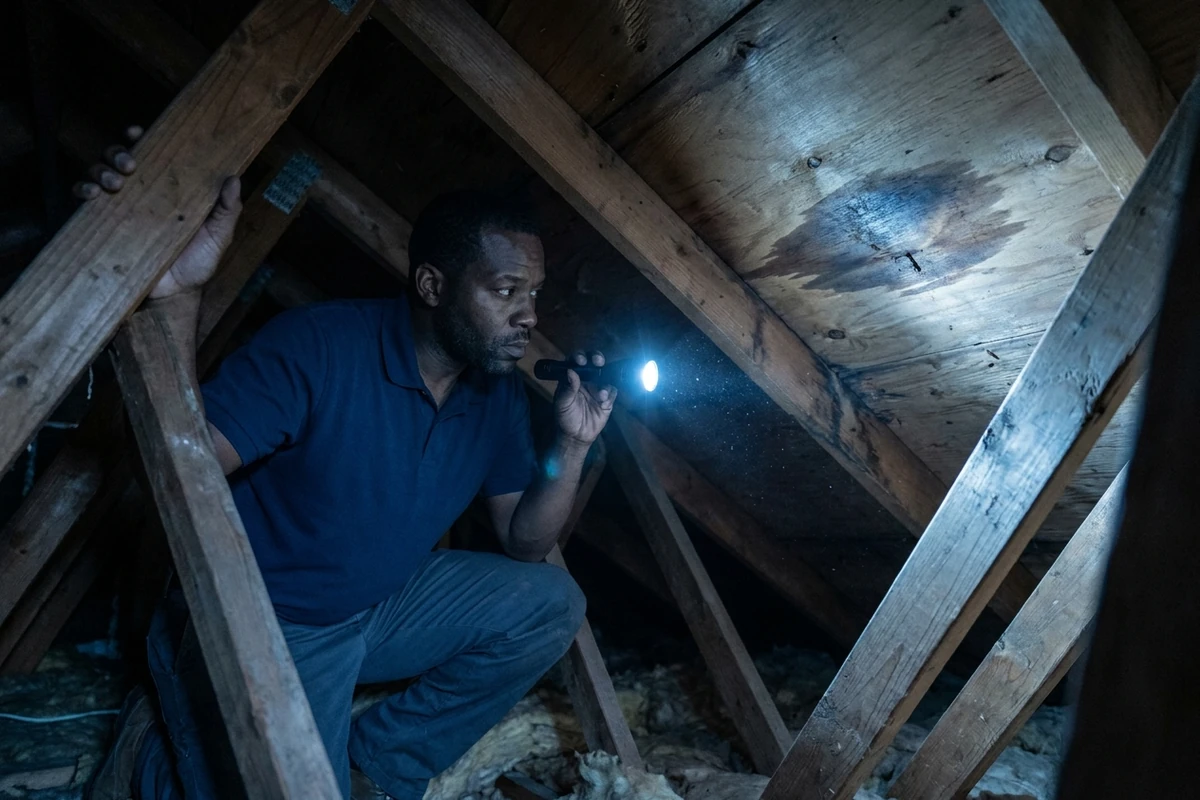
| Attic (when accessible) | Daylight through the deck, moisture staining on rafters/sheathing, insulation, prior leaks |
| Skylights (if present) | Seal and curb flashing condition, cracking in the glazing |
What You Should Receive After the Inspection
A professional inspection is not a verbal summary in the driveway. You should receive:
- A written condition report with zone-by-zone ratings (good, fair, poor)
- Photo documentation of every problem area found
- Clear recommendations (repair, replace, or continue monitoring with a suggested timeline)
- No obligation: you are under no obligation to hire the contractor after the roof inspection
If an inspector will not give you a written report, that is a red flag. A written report is also what your insurer may ask for; the NJ Department of Banking and Insurance publishes consumer guidance on homeowners coverage.
See exactly where your roof stands
A free CRS inspection covers your whole roof and gives you photos of what we found, plus our honest recommendation. No charge, no obligation.
What’s NOT Included in a Standard Roof Inspection
Destructive testing. Most inspections are visual. Cutting into the deck to check the sheathing underneath is not standard practice and requires separate authorization.
Thermal imaging. Infrared scanning can detect moisture trapped inside a roof assembly. It is useful in specific situations but costs extra and is not always necessary. Ask about it if you have reason to suspect hidden moisture.
A full attic inspection. Access varies. If the attic hatch is blocked or the space is tight, the inspector may not complete a full attic review. That is a noted limitation, not a failure.
Roof replacement service · Roof repair · 8 signs you need a new roof · All FAQs · Find your CRS town
Last updated September 2, 2026. Written by the Certified Roofing Specialists Inc. team, licensed New Jersey roofing contractors serving Monmouth, Ocean, Middlesex, Somerset, and Union Counties.
Common questions
Frequently Asked Questions
How often should I get my NJ roof inspected?
Every 2 to 3 years, and after any major storm. If your roof is 15 or more years old, inspect annually. Insurance carriers across Middlesex, Monmouth, and Ocean counties increasingly require inspection documentation for roofs over 20 years old before renewing coverage.
Does an inspection mean I need a new roof?
No. An inspection tells you the condition of your roof, not a predetermined outcome. A good inspector tells you to monitor, repair, or replace based on what they actually find. Most inspections result in a repair recommendation or a clean bill of health, not an immediate replacement.
What's the difference between a free inspection and a paid roof inspection?
A free inspection from a licensed contractor covers the same visual assessment as a paid one. The difference is purpose: free inspections come from contractors hoping to earn the work; paid inspections from independent home inspectors or engineers are used when you need a third-party opinion, typically during a home sale or insurance dispute.
-

Emergency Roofing in NJ: Storm Damage Response
Emergency roofing NJ: what to do after storm damage, how fast to get a tarp on, what it…
-
Community Association Roofing in NJ: A Property Manager’s Guide
Community association roofing NJ: a property manager guide to multi-building bids, board-ready scopes, reserve-study documentation, and scheduling.
-
Insurance Claim for an Old Roof in NJ: What to Know
Insurance claim for an old roof in NJ: how age cuts your payout, ACV vs RCV explained, what…